Choosing the Right Orthopedic Brace for Joint Pain
Joint pain can change a person's entire routine. The stiffness, swelling, or sharp pain that comes with it makes even small tasks feel like a big deal. Many try to push through or cover up the pain, thinking rest or over-the-counter pills will fix it. However, if the joint pain persists or recurs, the body may be trying to convey a more profound message.
That's where orthopaedic braces come in—not as a cure, but as a way to support healing, reduce strain, and make movement easier. Choosing the right brace is not about following trends. It's about understanding the root of the pain and finding support that matches it.
Not All Braces Are Built Equal
People often assume any brace on a pharmacy shelf will work for any joint. That thinking leads to more problems than solutions. Braces are designed to target specific joints, such as the knee, ankle, wrist, shoulder, or elbow. Even within a single joint type, braces come in varying levels of support. There are sleeves, wraparounds, hinged models, and custom-fitted options.
A compression sleeve might work for mild discomfort, but a post-surgery knee may need a brace with metal hinges and tighter control. The problem begins when someone chooses a brace simply because it looks comfortable or affordable, without understanding the level of support their condition requires.

A brace that's too loose may offer little help, while one that's too tight can restrict blood flow and exacerbate swelling. Some people even experience skin irritation or muscle weakness from prolonged use of the incorrect brace. A medical evaluation from a licensed professional, such as an orthopaedic specialist or physical therapist, can make a significant difference. According to the Cleveland Clinic's recommendations, wearing the wrong brace not only delays healing but may also lead to new injuries.
Understanding the Type of Joint Pain
Some pain comes from overuse, such as mistyping excessively or lifting weights. Other types of pain can result from injury—such as a torn ligament, a dislocated joint, or post-surgical recovery. Then there are cases linked to long-term health conditions, like arthritis or lupus. Each cause leads to a different kind of joint Stress. Choosing a brace without knowing the underlying reason is like grabbing random medicine from a shelf and hoping it works.
Arthritis, for instance, causes a slow, chronic breakdown of the joints. A person dealing with this may benefit from a light-to-moderate compression brace that reduces swelling and helps with stability during movement. On the other hand, someone recovering from a torn ACL may need a brace that completely controls knee movement to stop re-injury. Pain from repetitive strain injuries, such as carpal tunnel syndrome, may respond well to a wrist brace that keeps the joint in a neutral position, especially at night. Different conditions ask for other answers.
Comfort Is Not the Same as Effectiveness
Many fall into the trap of thinking that the most comfortable brace is the best one. This is not always true. Some of the most effective braces feel strange at first because they limit movement or apply pressure to specific areas. Comfort matters—but not more than function. A brace should stay in place, hold the joint as needed, and allow basic movement unless it's designed to restrict it fully.
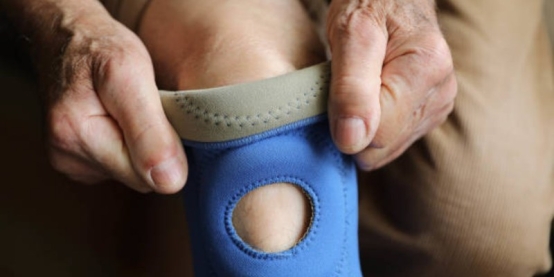
Materials, like neoprene or moisture-wicking fabrics, can help reduce sweat and odour, especially for individuals who wear braces all day. But don't let soft materials fool you into thinking they're better. Always pay attention to how the joint responds after using the brace for a few hours. If pain increases, if the skin changes colour, or if numbness sets in, the brace is likely a poor fit.
When to See a Professional Before Buying
Trying on braces in a store or buying one online might be easy, but that ease comes at a price. Not every joint pain can or should be self-managed. Health experts Stress that serious injuries, swelling that won't go down, or pain that interferes with daily life are red flags. These symptoms need a proper diagnosis and a plan. Misusing a brace could delay healing or mask symptoms that require more attention.
Johns Hopkins Medicine notes that untreated joint problems can grow into long-term disabilities if not addressed early. That’s not fearmongering. It’s a simple fact. When in doubt, get it checked. Joint pain is not just “one of those things” to live with.
Avoiding Overuse and Dependency
Orthopaedic braces are not meant to be worn forever. Their job is to support healing and movement—not take over entirely. Long-term use of a brace can weaken muscles around the joint. The body starts to rely too much on the brace and forgets how to stabilise itself. Unless the brace is prescribed for a chronic condition that requires long-term support, the goal should always be to use it in conjunction with strengthening exercises and rehabilitation, not instead of it.
Professionals typically provide timelines for wearing a brace—sometimes during activity only, sometimes for a full day, and sometimes during sleep. Going beyond those timelines without supervision turns a helpful device into a problem. Recovery involves balance. Let the brace help, but don't let it do all the work.
Cost and Quality Should Match Health Needs
It's easy to think more expensive means more effective, but price tags don't always tell the whole story. Some high-cost braces are designed for athletes recovering from significant injuries. Others have tech add-ons that most people don't need. On the other hand, inexpensive braces made from subpar materials may wear out quickly, lose their shape, or cause skin irritations.

People living with joint conditions should think about durability, cleanability, adjustability, and material safety—not just price. For those requiring long-term support, especially for conditions such as osteoarthritis or tendon injuries, investing in a medical-grade brace that fits well is often worth the extra cost. Consider exploring health insurance options or a health savings account, which may help cover part of the expense. If unsure, Medicare.gov provides clear guidelines on what types of orthopaedic braces are covered for specific conditions.
Using a Brace as Part of a Bigger Plan
Braces are just one piece of the puzzle. Alone, they cannot fix joint damage or restore full mobility. However, they can help manage pain, reduce strain, and give joints a chance to heal while more long-term steps—such as physical therapy, weight control, or medication—are being implemented. Treating braces like magic solutions will lead to disappointment.
Building better joint health means combining the right tools with the proper habits. A better diet, better movement, and better care for the body in general. The earlier joint problems are addressed, the easier they are to manage. The longer they are ignored or patched with temporary fixes, the more severe they become later.